Último número de Alfa de 2025 en el que la seguridad y la protección radiológica sirven de hilo conductor a través de tres reportajes.
2025
-
-
El Pleno del Consejo de Seguridad Nuclear (CSN) aprobó en su última reunión del año su nuevo Plan Estratégico para el periodo 2026-2030, una hoja de ruta que orientará la actuación del organismo regulador en el próximo lustro.
-
El CSN ha celebrado hoy su tradicional acto de reconocimiento al personal que ha alcanzado los 25 y 40 años de servicio en el conjunto de las Administraciones públicas, habiendo formado parte del organismo regulador durante, al menos, los últimos cinco años
-
El Pleno del Consejo de Seguridad Nuclear (CSN) ha acordado la emisión de una Instrucción Técnica Complementaria (ITC) al titular de la central nuclear Almaraz (Cáceres) enmarcada en el proceso asociado a la solicitud de “modificación de la autorización de explotación” de dicha central.
-
El Consejo de Seguridad Nuclear (CSN) ha participado esta mañana en la II Jornada sobre el Plan Nacional contra el Radón El evento, organizado por el Ministerio de Sanidad.
-
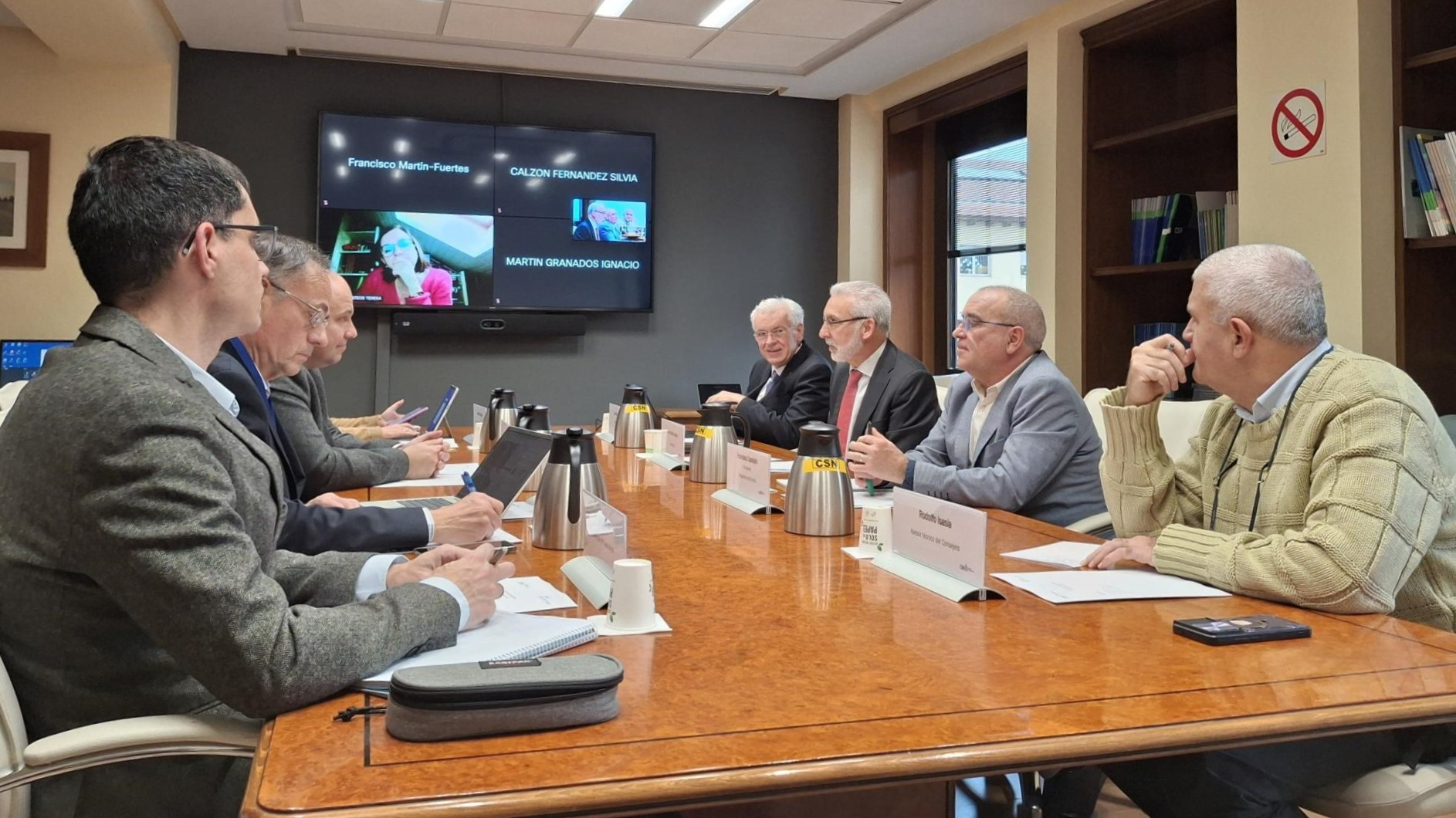
El Consejo de Seguridad Nuclear (CSN) ha celebrado una nueva sesión del comité de enlace del proyecto IFMIF-DONES, una infraestructura científica clave para el desarrollo de materiales destinados a futuros reactores de fusión nuclear.
-
El Consejo de Seguridad Nuclear (CSN) participa esta semana en la Conferencia Internacional sobre Protección Radiológica en Medicina del OIEA
-
El Pleno del Consejo de Seguridad Nuclear (CSN) ha acordado la emisión de una Instrucción Técnica Complementaria (ITC) al titular de la central nuclear Almaraz (Cáceres) enmarcada en el proceso asociado a la solicitud de “modificación de la autorización de explotación” de dicha central, que fue presentada el pasado noviembre.
-
El Consejo de Seguridad Nuclear (CSN) acoge la reunión semestral del Comité de Enlace con la Empresa Nacional de Residuos Radiactivos (Enresa).
-
Una delegación del Consejo de Seguridad Nuclear participa en la 58ª reunión de la Comisión de Normas de Seguridad del OIEA
-
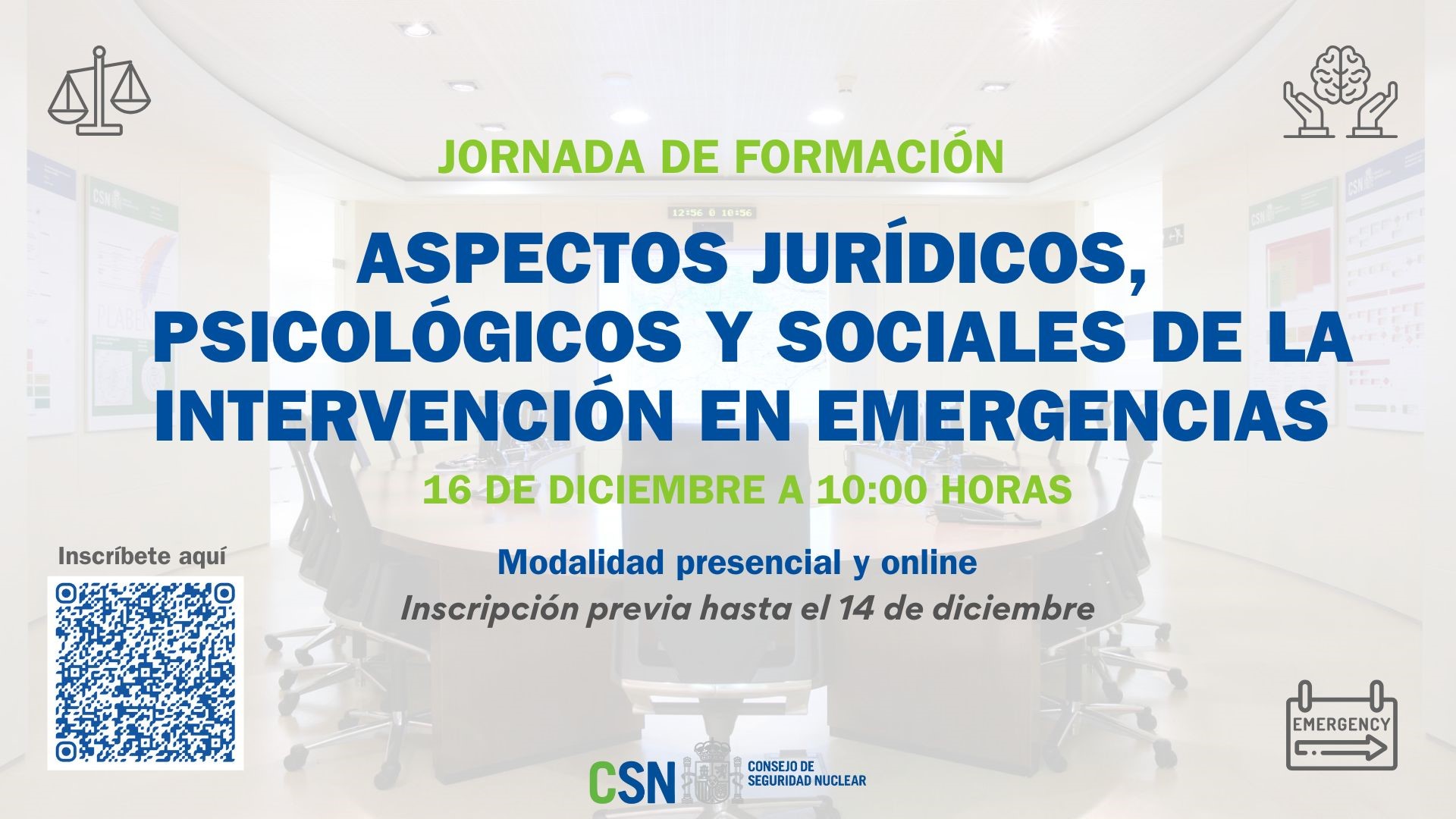
Inscripción gratuita hasta el 14 de diciembre. Contará con expertos que abordarán la intervención en emergencias desde diferentes perspectivas.
-
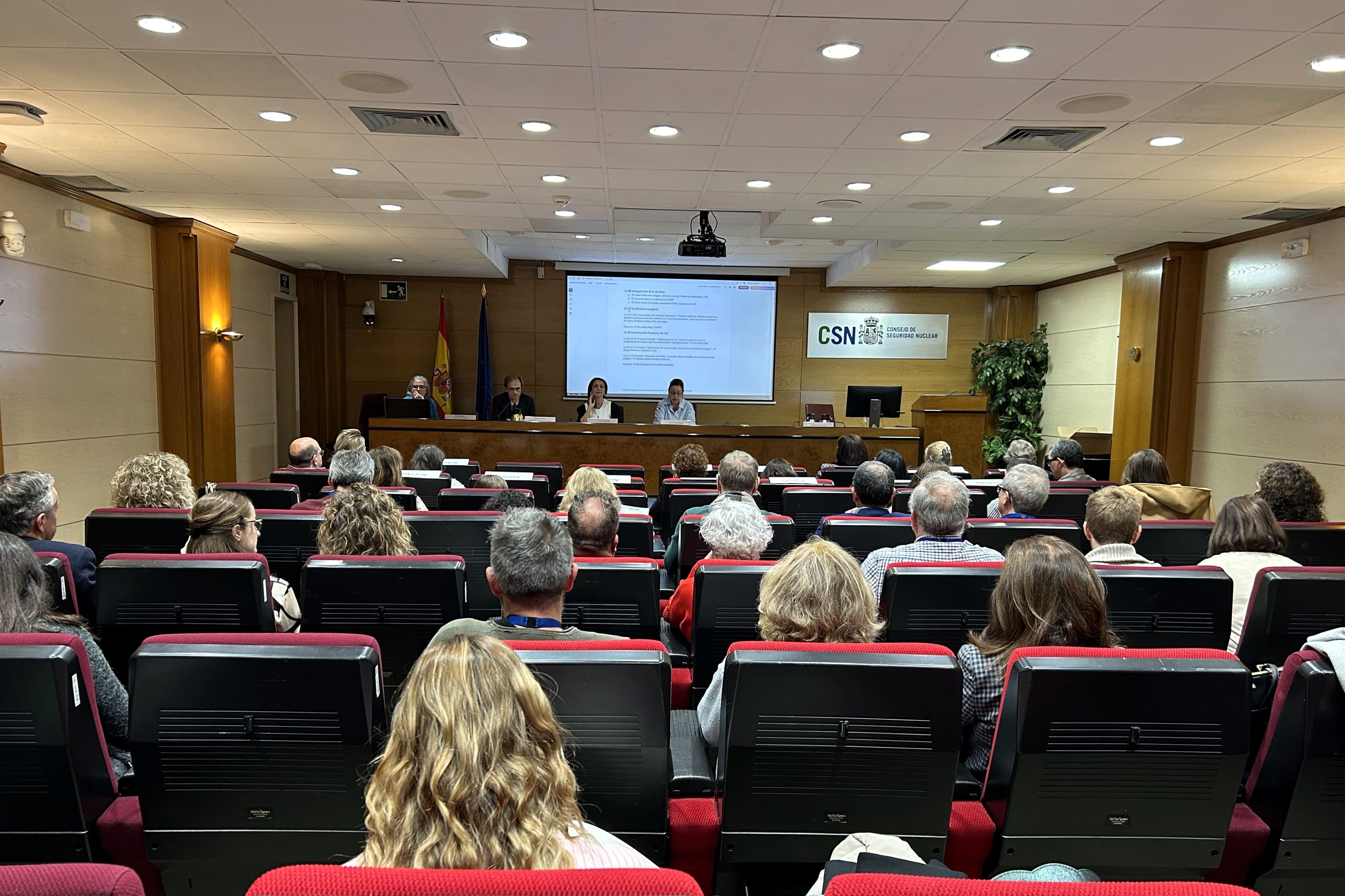
El CSN acoge la IX Jornada de I+D organizada por PEPRI y la Sociedad Española de Protección Radiológica. La sesión profundiza en la gestión de riesgos derivados de la exposición al radón y las líneas de innovación en el campo de la protonterapia.
-
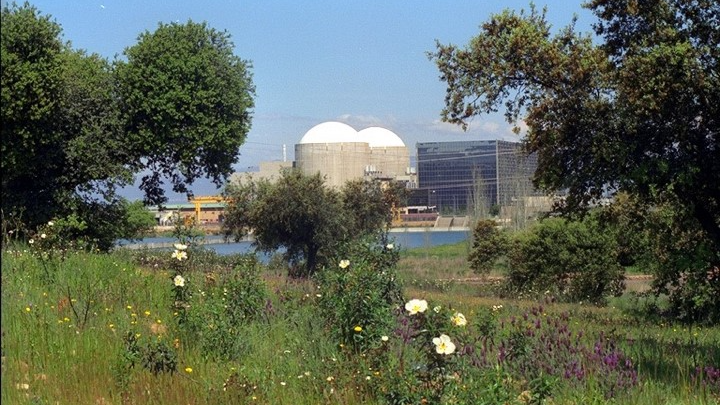
La modificación también aplicará a la piscina de combustible gastado de la instalación El Pleno también ha dado luz verde un acuerdo con la NEA para la participación en el proyecto internacional...
-
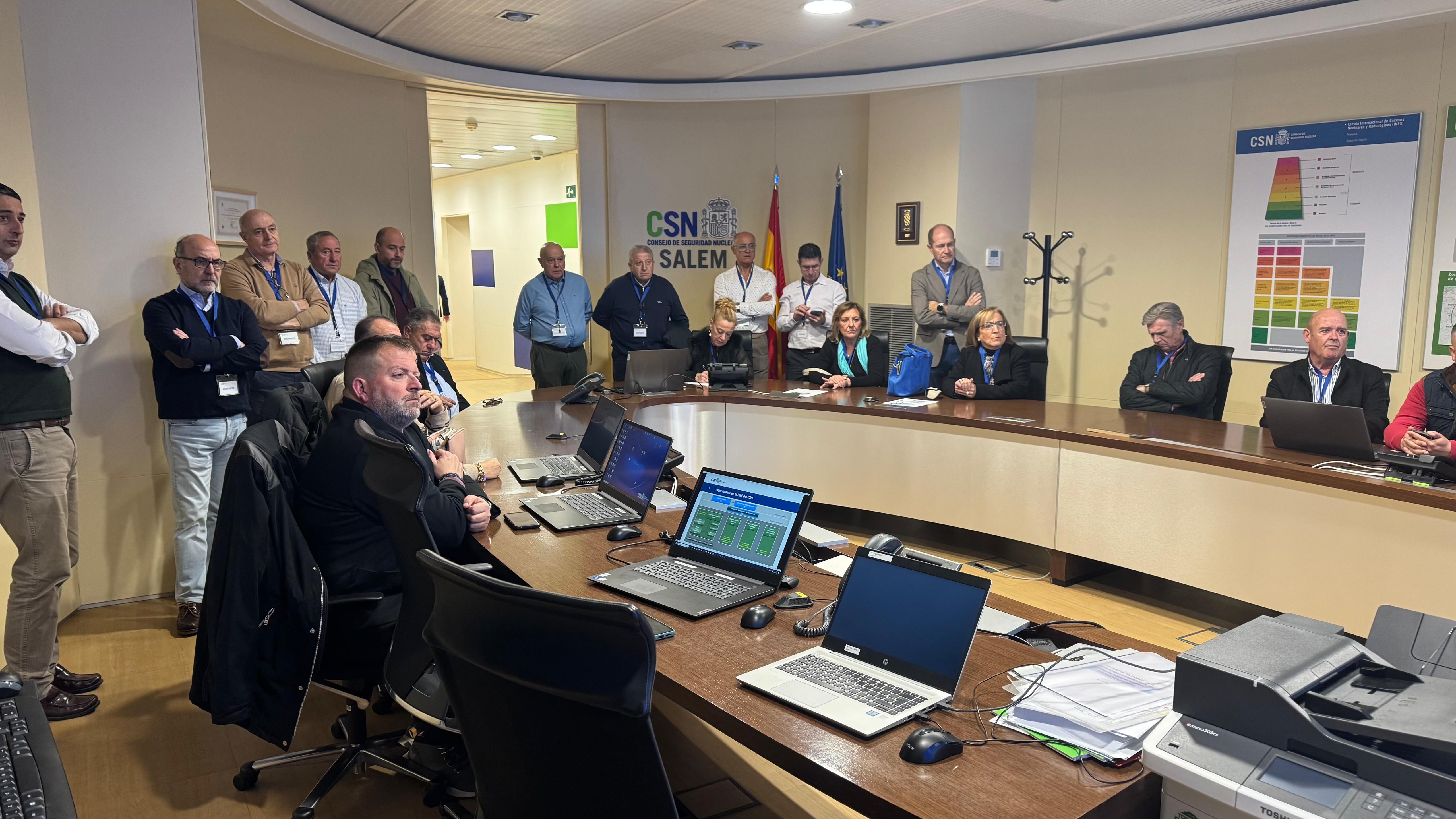
La actividad se enmarca en el convenio firmado con la Asociación de Municipios en Áreas con Centrales Nucleares y Almacenamiento de Residuos Radiactivos Ambas instituciones mantienen una estrecha...
-
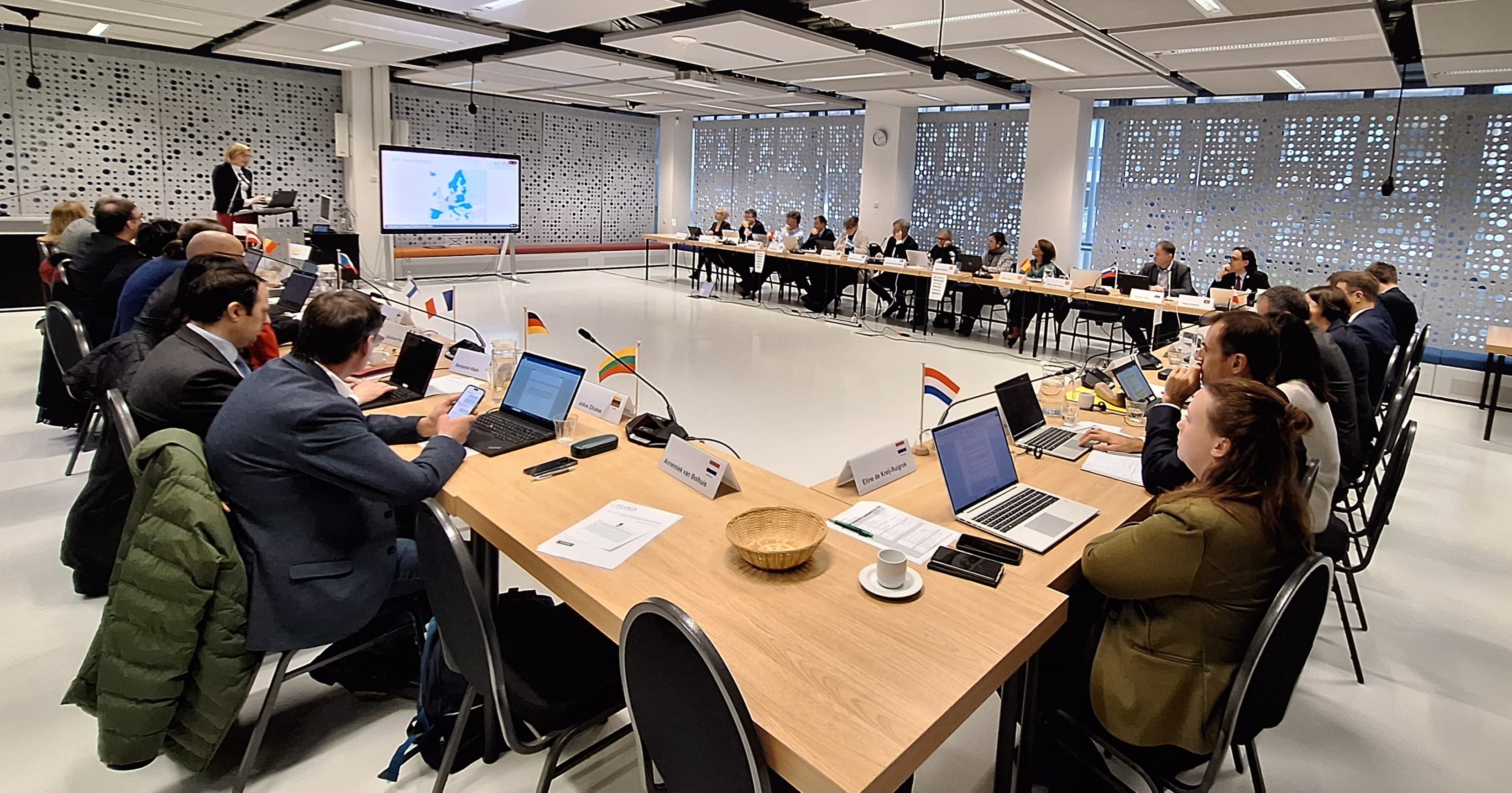
HERCA avanza en el rediseño de su estrategia durante la reunión de su Comité de Dirección en La Haya
La Asociación de Autoridades Europeas de Protección Radiológica mantiene el consenso para simplificar procedimientos que faciliten la innovación tecnológica La organización ha...
-
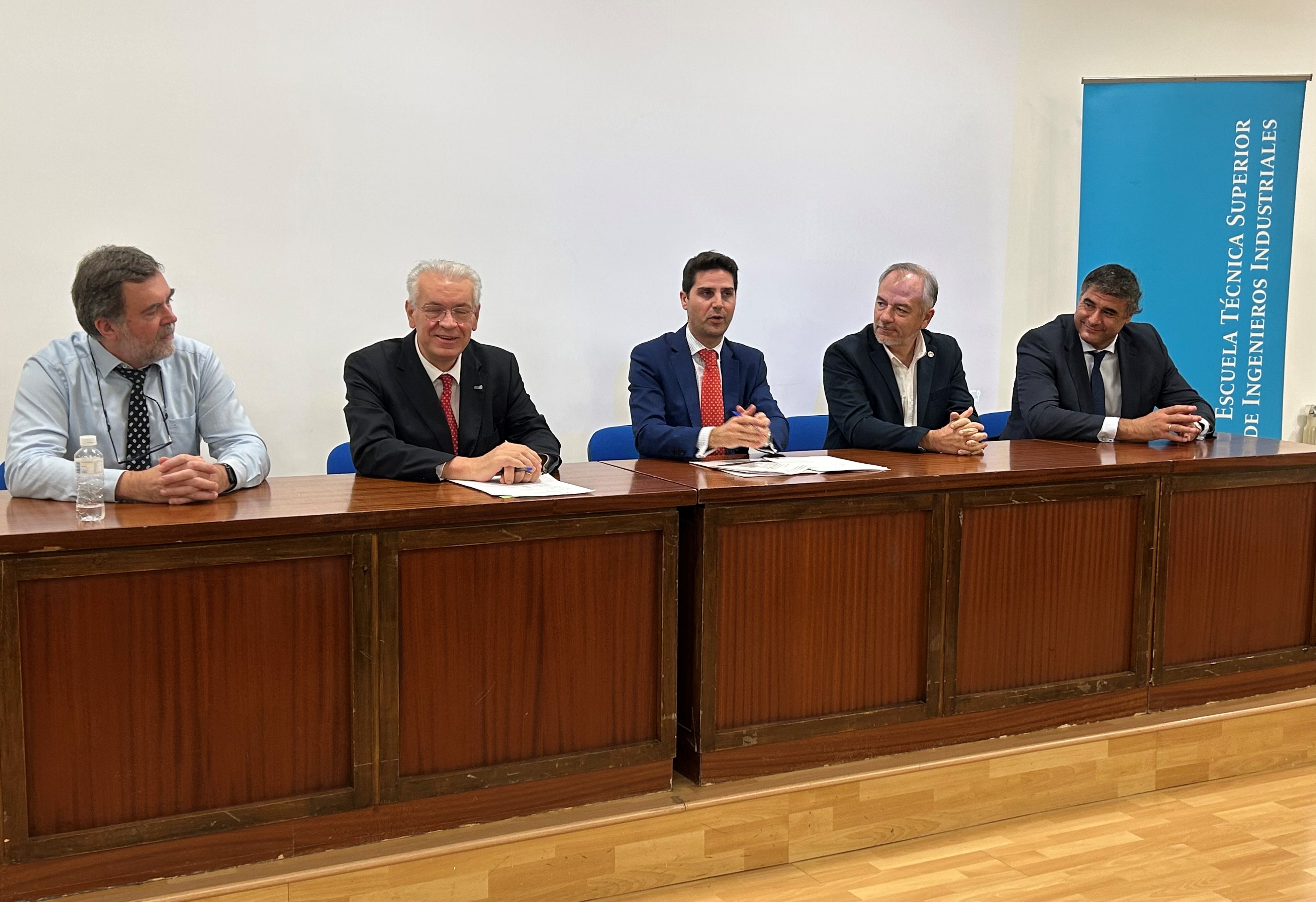
El consejero Javier Dies preside esta Plataforma de investigación centrada en el ámbito de la energía nuclear La asamblea ha permitido el intercambio de conocimiento sobre el desarrollo de...
-
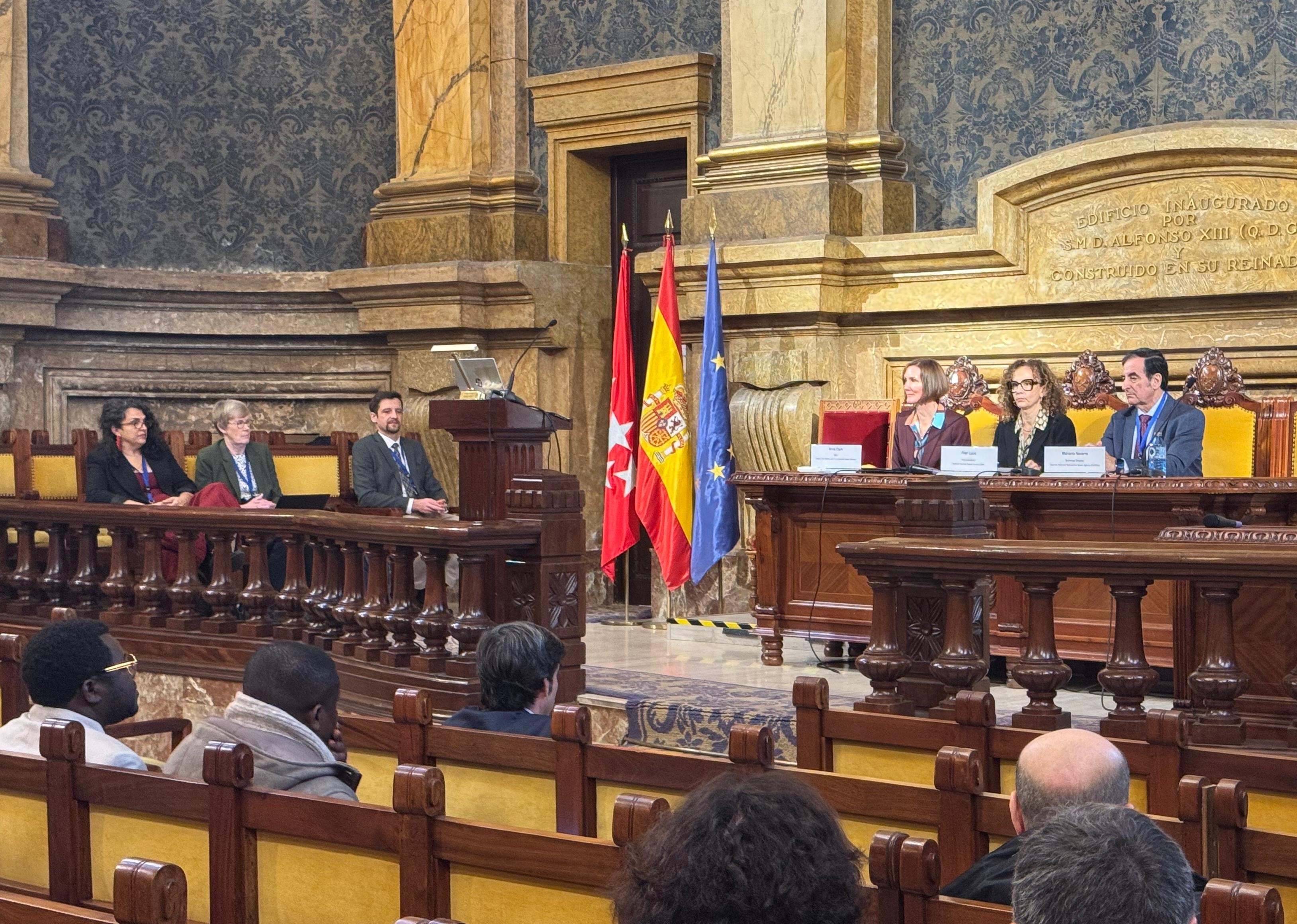
La vicepresidenta del regulador ha recordado la importancia de contar con la participación de los grupos de interés en la toma de decisiones Expertos de una veintena de países comparten sus...
-
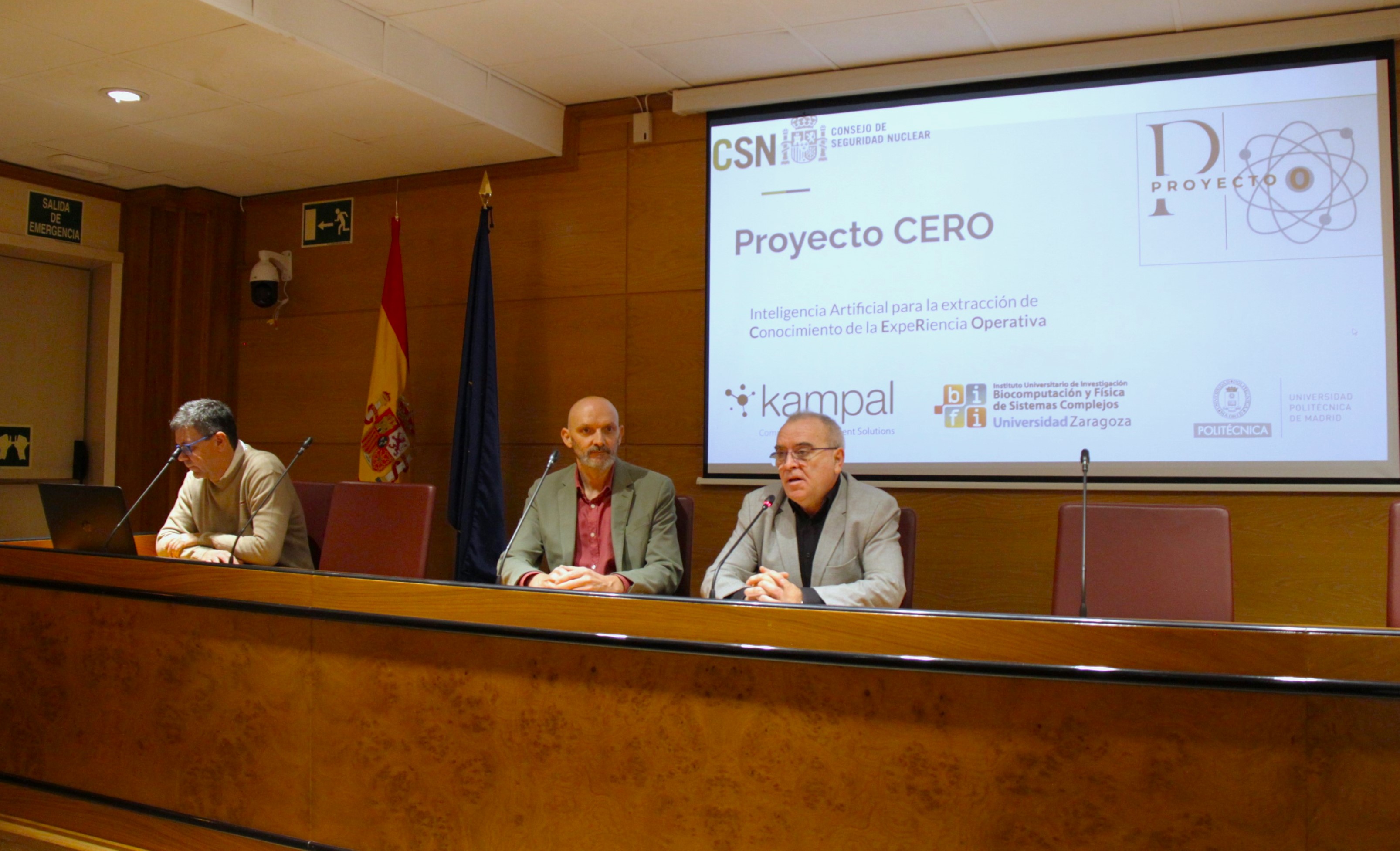
El consejero Francisco Castejón ha presentado el acto donde se ha informado de los resultados del proyecto de investigación En el marco de este proyecto se ha desarrollado una herramienta que...
-
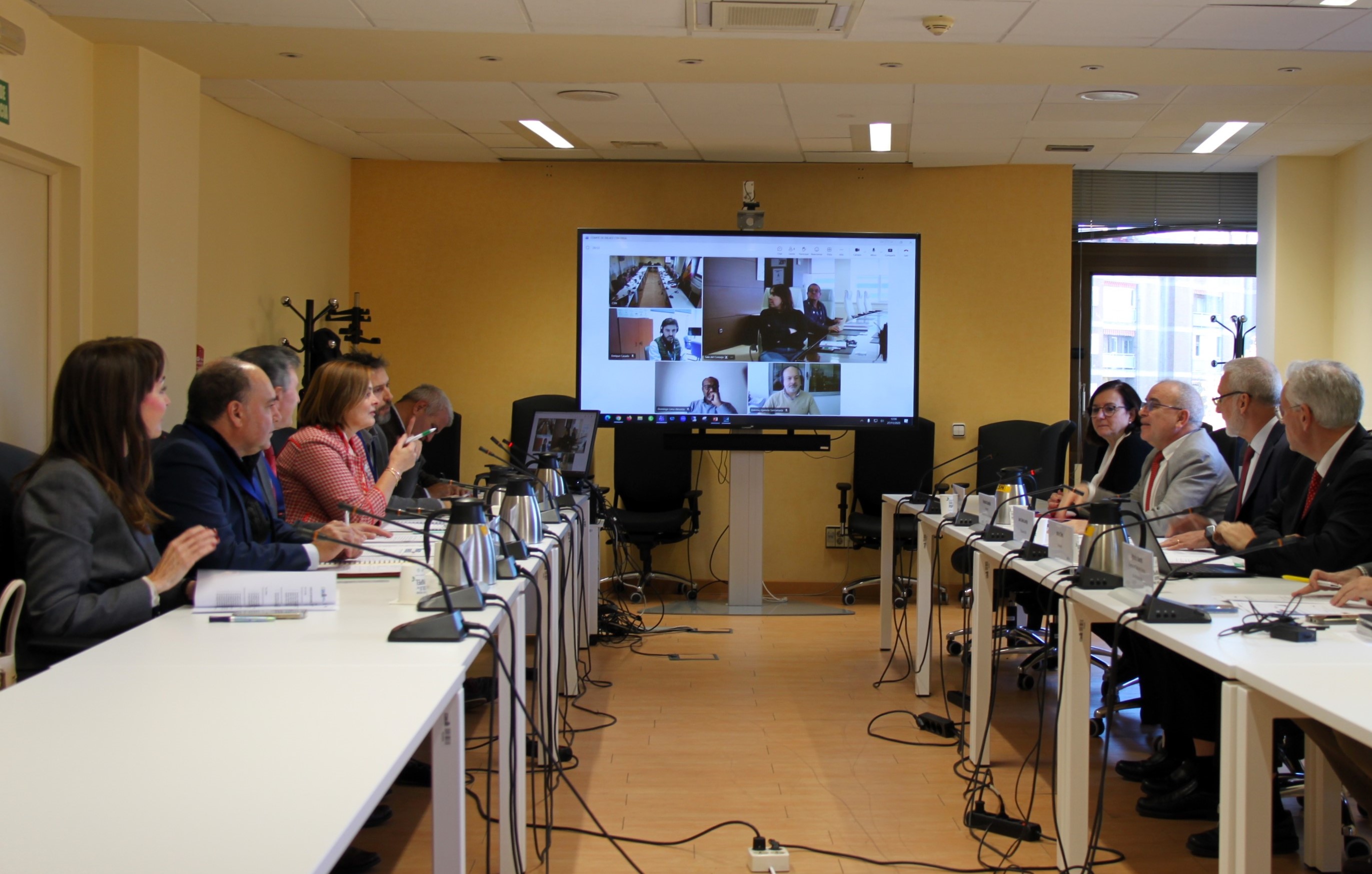
El consejero Francisco Castejón preside la reunión del comité de enlace entre ambas instituciones El encuentro permitió alinear procesos, mejoras de diseño y previsiones operativas para los...
-
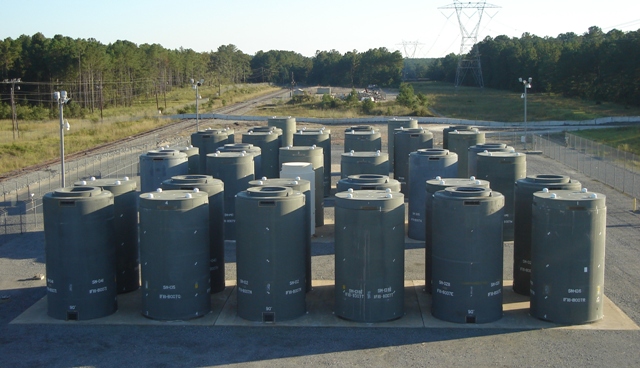
El sistema está diseñado para albergar combustible nuclear gastado tanto de reactores de agua a presión como de agua en ebullición Además, el Pleno...
-
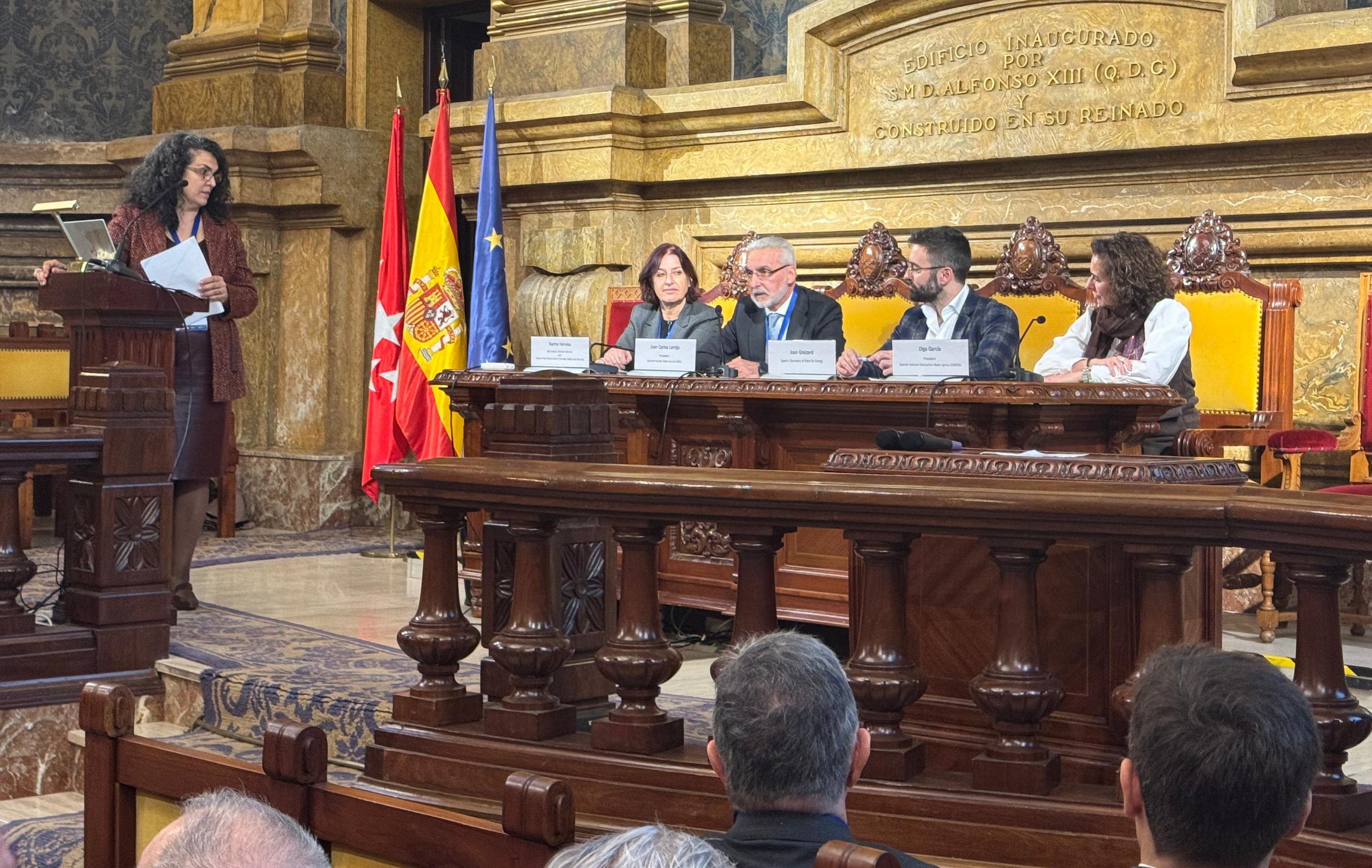
El Organismo Internacional de Energía Atómica desarrolla un encuentro técnico en Madrid sobre la toma de decisiones relacionadas con el AGP El presidente del regulador ha destacado...
-
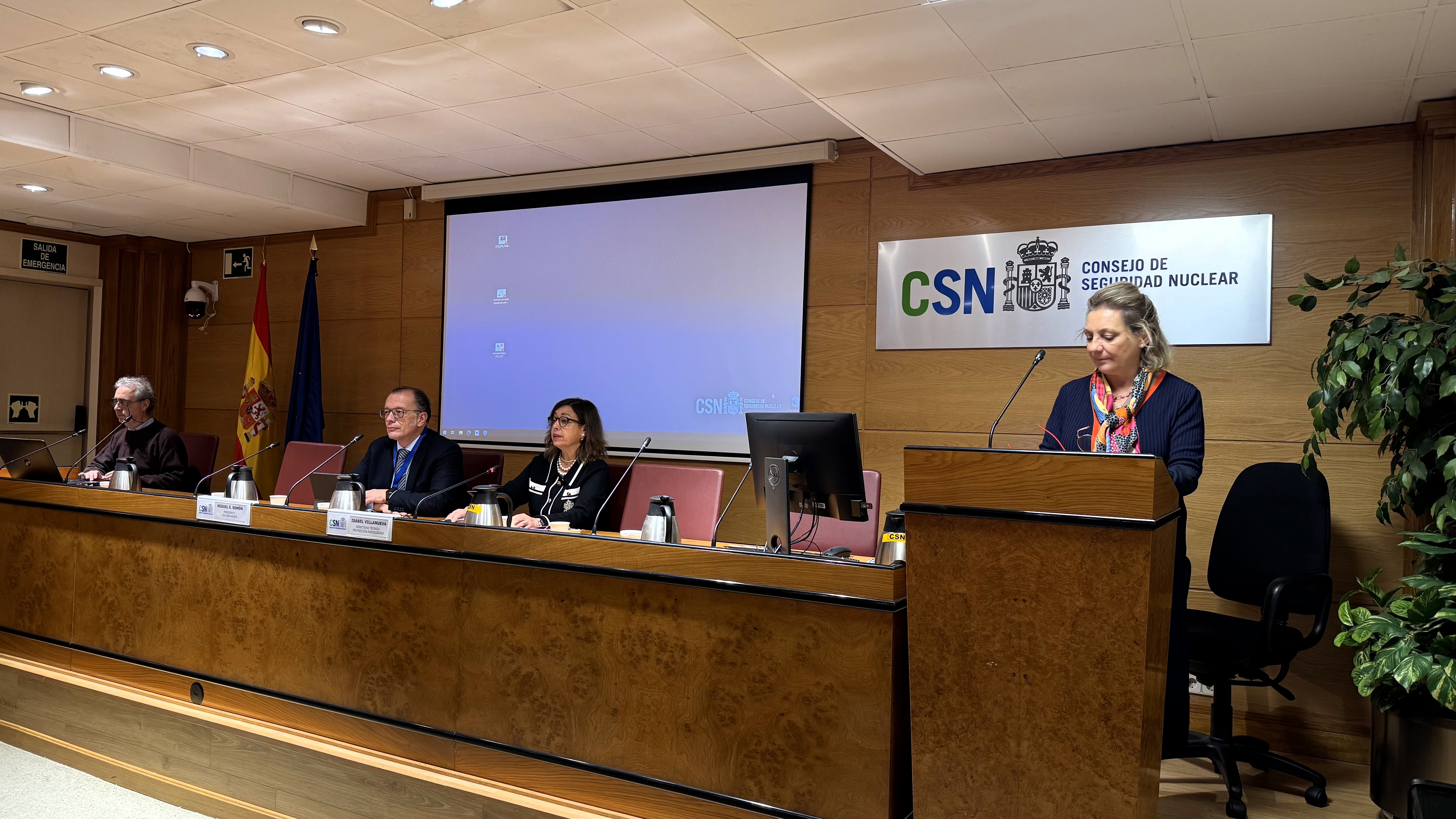
Expertas del organismo explican el marco normativo y las metodologías de medición del radón La sesión incluye casos prácticos, experiencias de los servicios de prevención y debates con los...
-
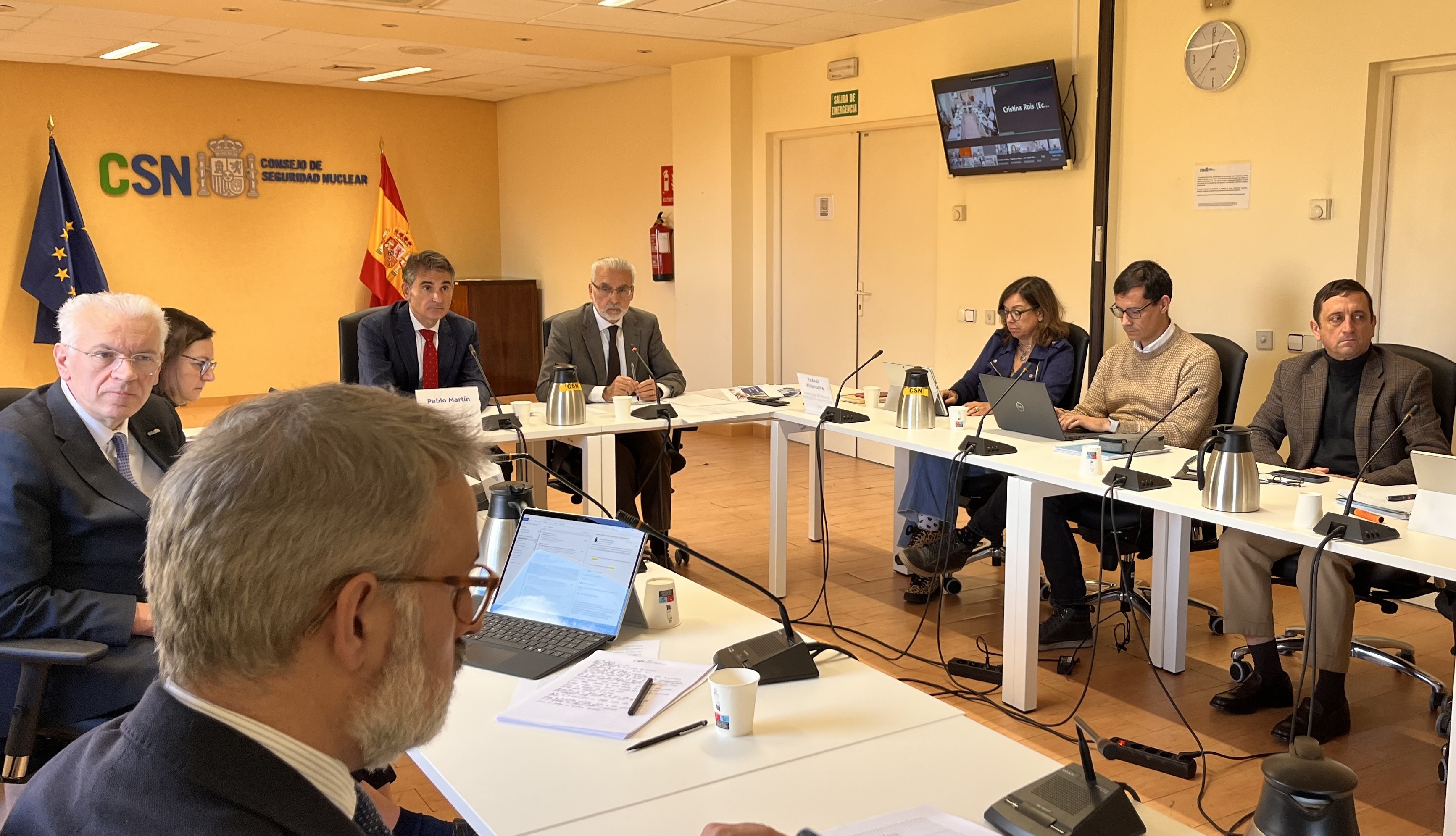
La implicación de los grupos de interés es clave en el desarrollo del nuevo Plan Estratégico del regulador para el periodo 2026-2030 En esta 30ª reunión también se informó de la reglamentación...
-
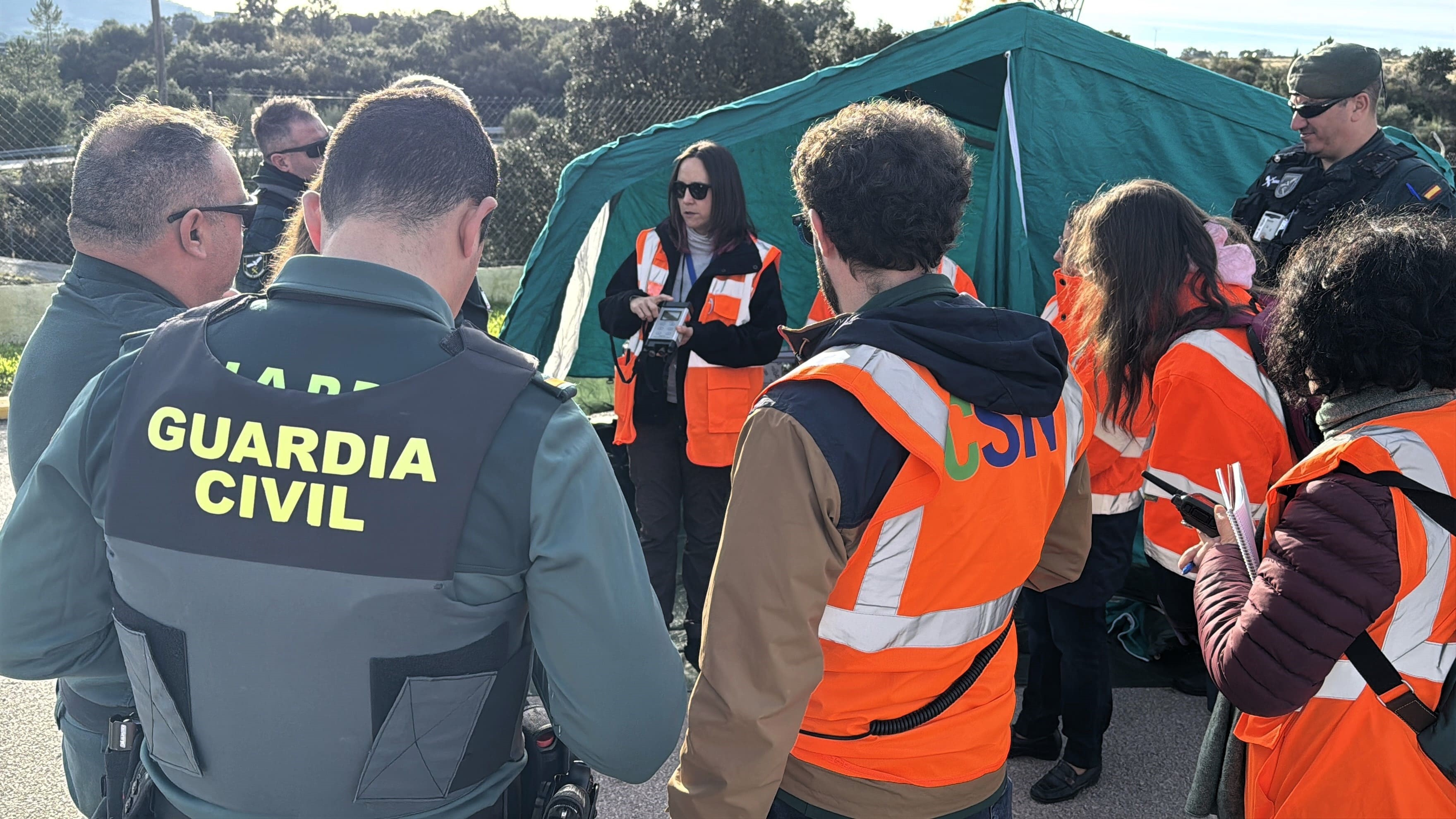
El regulador colabora con la Guardia Civil y la Unidad Militar de Emergencias en el despliegue de los controles de acceso radiológicos en la zona Estos ejercicios sirven para entrenar la...
-
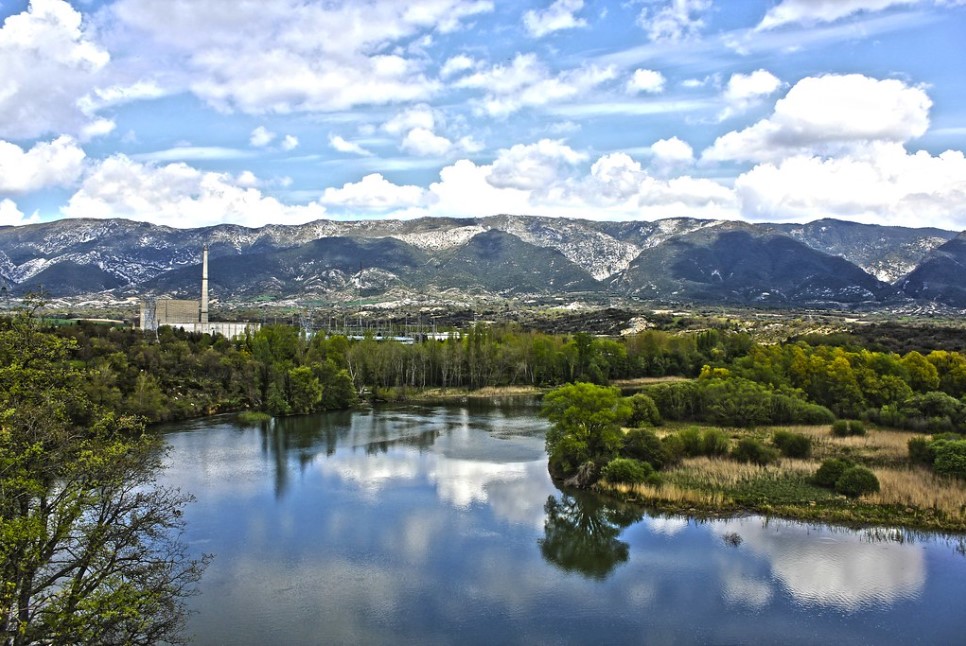
El Pleno da luz verde a la unidad técnica de protección radiológica de la Universidad Rovira i Virgili para prestar servicio en asesoramiento...
-
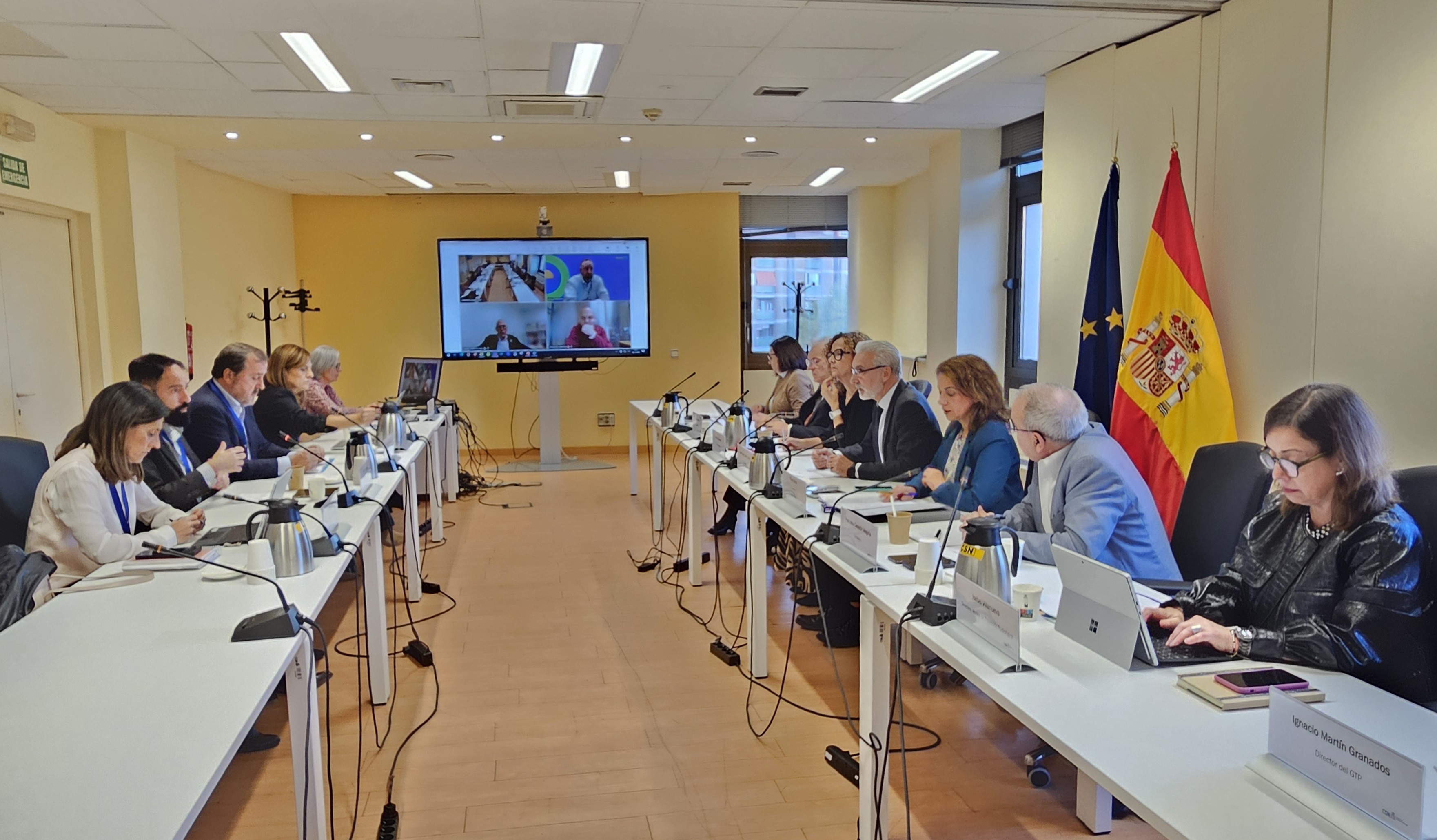
El licenciamiento de la planta de combustible nuclear de Juzbado y el desmantelamiento de Quercus, entre los temas principales de la sesión La consejera Silvia...
-
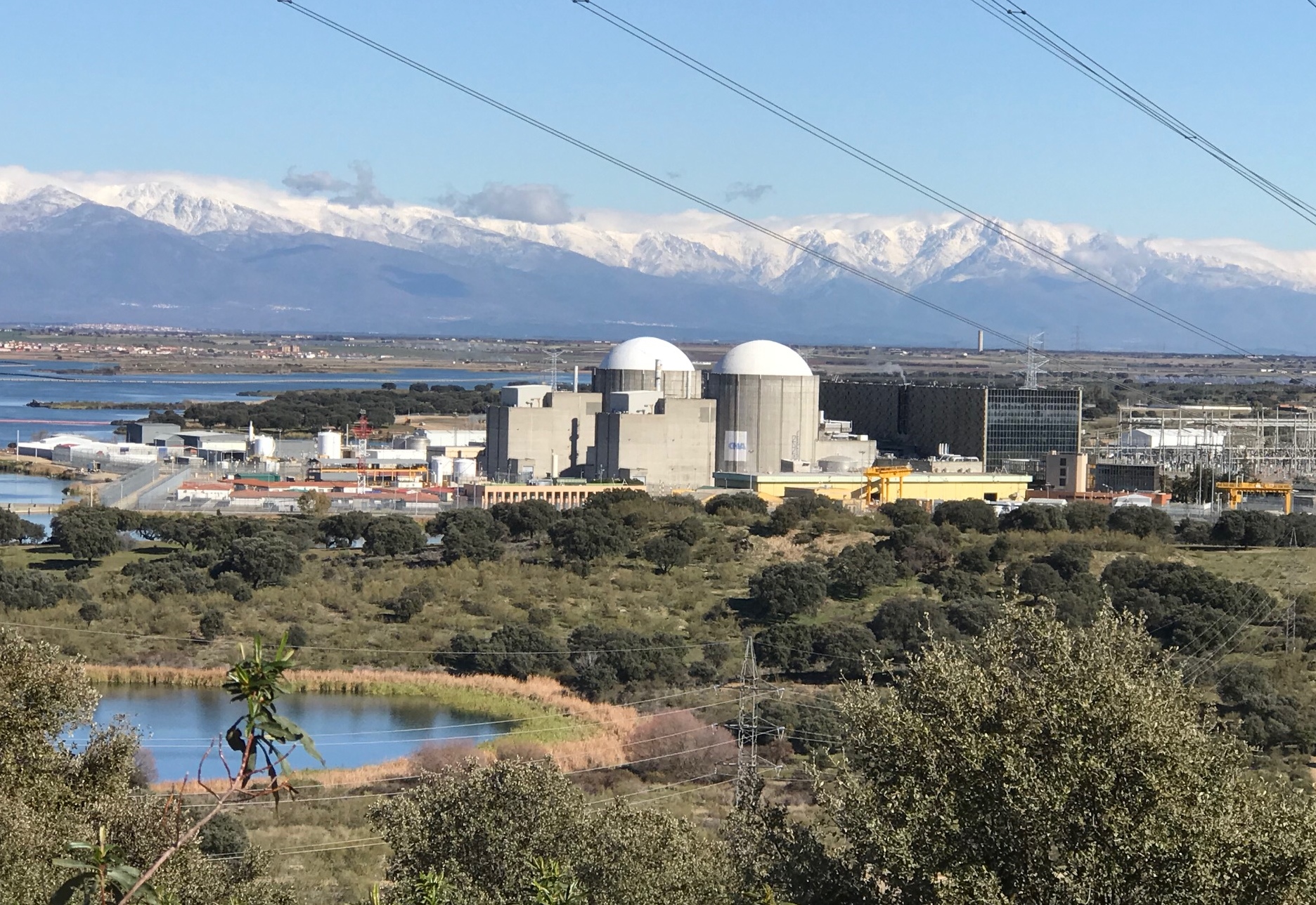
El Ministerio para la Transición Ecológica y el Reto Demográfico ha remitido al regulador la solicitud del titular de la instalación para el informe preceptivo El Consejo estudiará la...
-
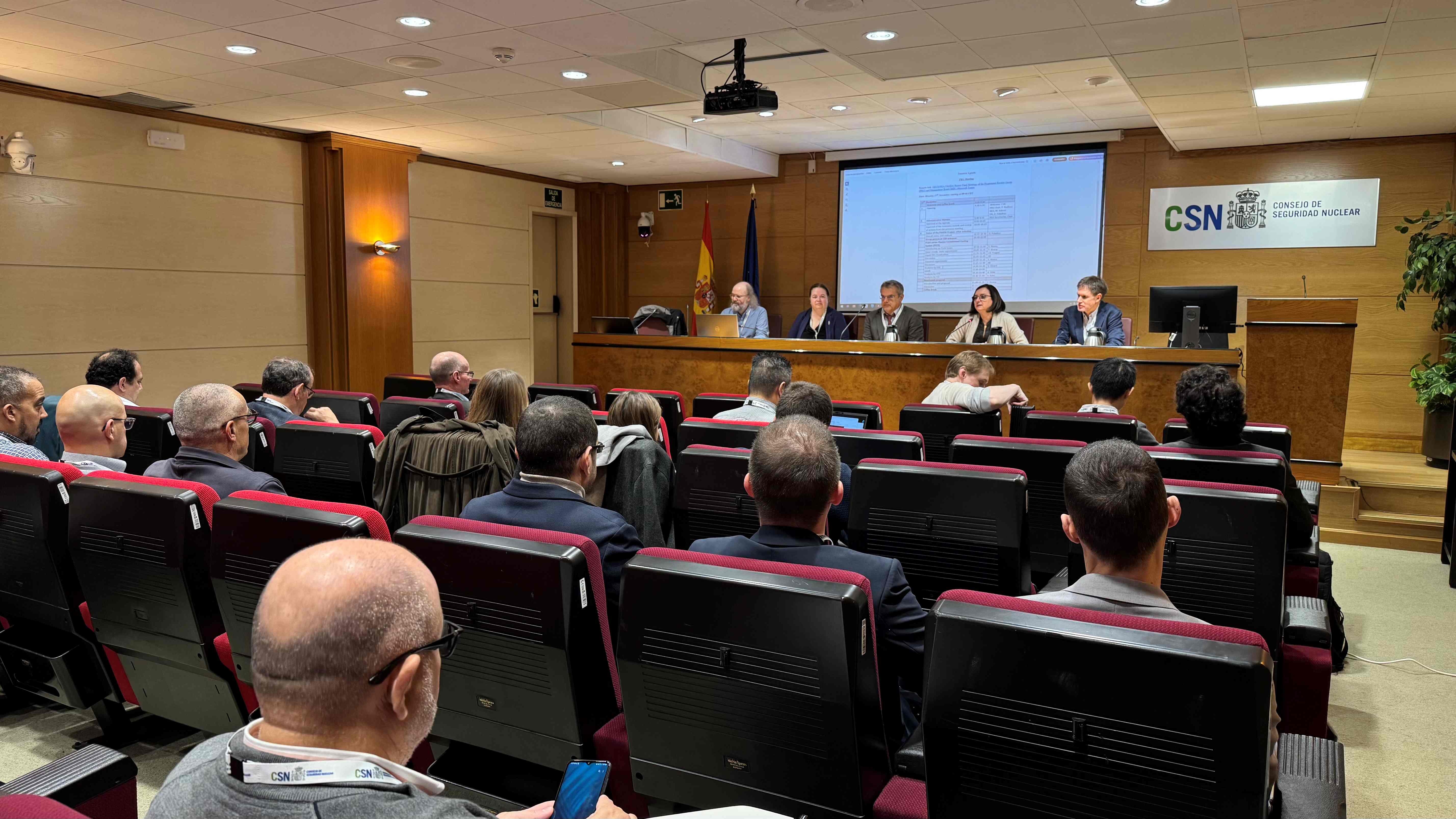
Su objetivo es contribuir a la ampliación de la base de datos sobre fenómenos térmico-hidráulicos a gran escala en contenciones de centrales nucleares El proyecto se lanzó en 2021 apoyado por 12...
-
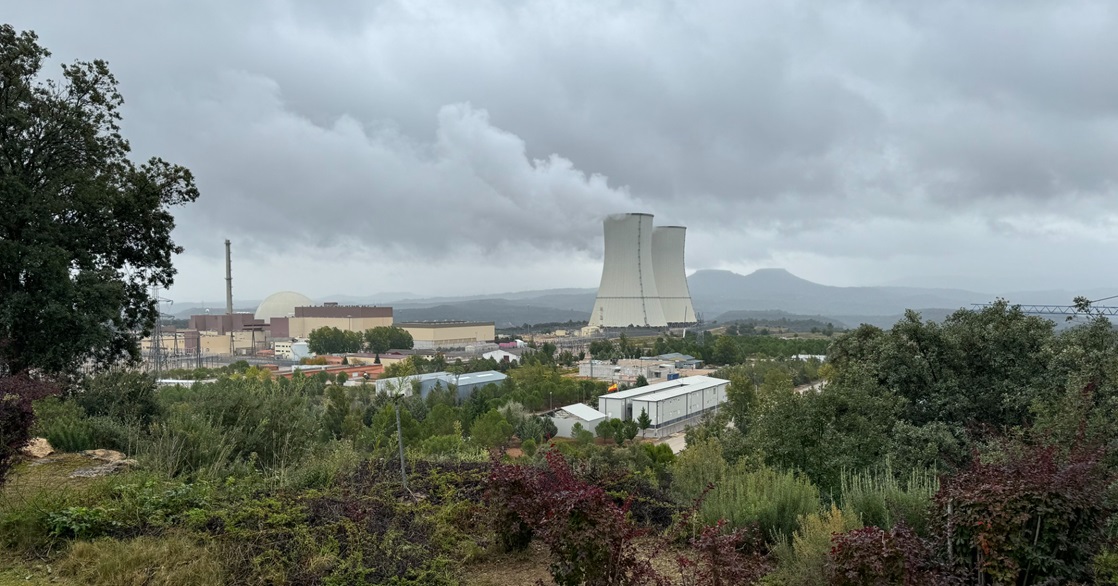
El objeto de esta Instrucción Técnica Complementaria es establecer las bases para la aplicación de los criterios previstos en la guía de seguridad GS-7.9 El Pleno también ha aprobado un convenio...
-
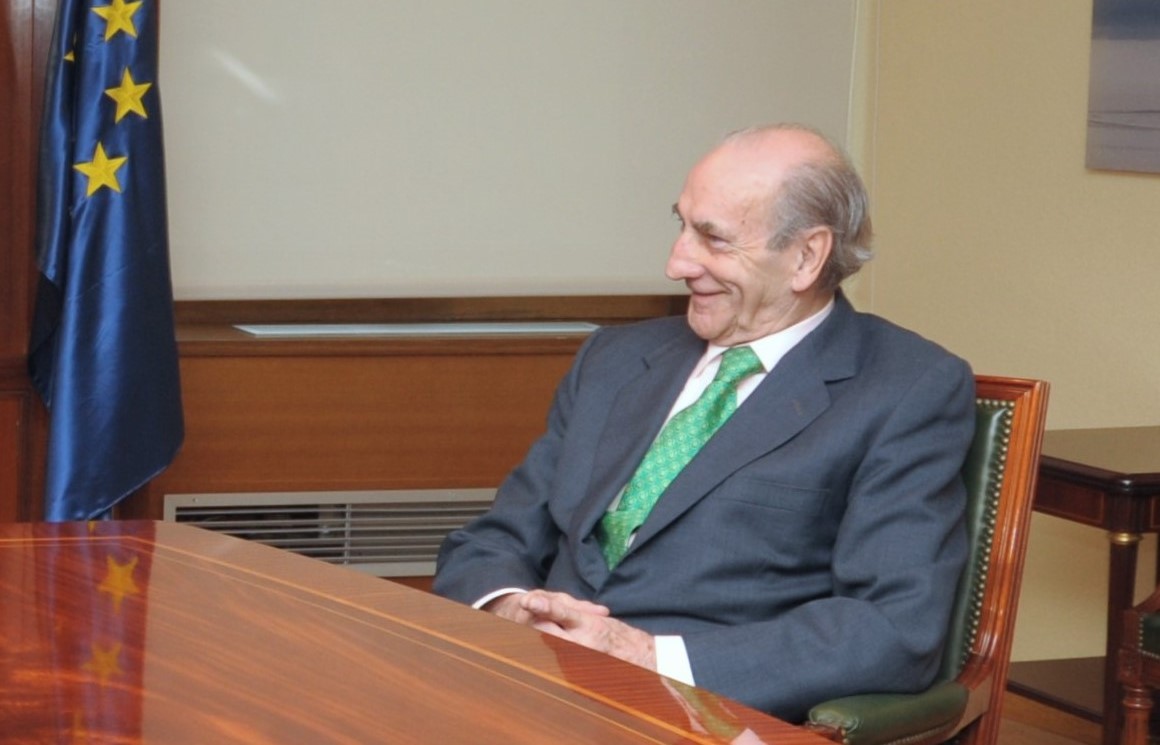
El Pleno del Consejo de Seguridad Nuclear (CSN) lamenta el fallecimiento de Donato Fuejo Lago, expresidente del CSN entre 1987 y 1994. Antes de ocupar la presidencia, fue nombrado consejero del...